

Digital Marketing Lessons from the Wet Hair Brush: How One Simple Product Became a Beauty Must-Have

Digital Marketing News for Wet Hair Brush

A simple beauty tool can reveal more about modern marketing than a complicated campaign filled with trendy language and expensive technology. The popularity of the wet-hair detangling brush is a strong example. It addresses a familiar problem, demonstrates its value quickly, fits naturally into everyday routines, and gives customers a story that is easy to share. Those qualities make it more than a useful product. They make it a lesson in how brands earn attention, build trust, and create lasting demand. ✨

Wikipedia’s overview of digital marketing describes a broad field that includes search engines, social media, email, online advertising, mobile devices, websites, and other digital channels. Yet the strongest marketing campaigns often begin with something much simpler: a clear understanding of the customer’s daily experience. The appeal of a practical hair tool demonstrates that memorable marketing does not begin with a platform. It begins with a problem people genuinely want solved.

Solve a Specific Problem People Already Understand

The first lesson is clarity. Tangled wet hair is not an abstract concern that requires a lengthy explanation. It is a common and immediate frustration. People recognize the situation the moment they see it in a photograph, product description, video, or social media post. A product becomes easier to market when the audience already understands the problem.

This is why a Wet Hair Brush can support compelling digital content without relying on exaggerated claims. The message can remain grounded in a familiar routine. Hair is washed, knots form, and a suitable tool helps make detangling feel more manageable. That sequence is direct, visual, and relatable. It gives marketers a clear foundation for product pages, tutorials, short videos, email content, and social media posts.

Businesses in every industry can apply the same principle. A company should identify the moment that makes its customer feel annoyed, delayed, uncomfortable, or uncertain. Marketing becomes more persuasive when it names that moment plainly and presents the product as a practical next step. Clear problem-solving language usually carries more weight than a long list of vague features.

Make the Benefit Easy to Demonstrate

Some products are naturally suited to digital marketing because their usefulness can be shown in seconds. A detangling brush belongs in that category. A short demonstration can show the brush moving through damp hair, how it is held, and where it fits into a normal styling routine. The viewer does not need a lengthy technical presentation to understand the intended benefit.

This visual simplicity matters because product discovery now happens across many channels. Search Engine Land’s reporting on digital discoverability explains how exposure, social proof, public relations, search behavior, and social platforms increasingly work together. A customer may first see a product in a short video, look for reviews on another platform, search the product category, and then visit a retailer before deciding to buy.

A strong demonstration can travel through that entire journey. It can become a social media clip, a product-page video, a blog illustration, an email feature, or part of a creator collaboration. One useful piece of content can support several channels while keeping the central message consistent.

The lesson for marketers is straightforward. A product should not only be described. It should be placed in motion. Customers need to see how it fits into the moments they already experience.

Build Marketing Around Real Routines

Products become memorable when they fit into habits people already have. Hair washing, detangling, drying, and styling form a recognizable sequence. A brush does not need to create a completely new behavior. It only needs to earn a place in an existing routine.

That distinction matters. Marketing campaigns often become complicated when they focus on the product alone. Stronger content places the product inside a real moment. Instead of presenting a brush against an empty background, a brand can show it beside a towel, leave-in conditioner, hair clips, or a blow dryer. Those surrounding details make the scene feel familiar and useful.

The marketing research and consumer insights published by Think with Google regularly examine how customers move between discovery, research, comparison, and purchasing. Beauty shoppers may encounter a product through search, video, social media, a retailer, or a recommendation. Content that reflects a complete routine can support different parts of that journey because it helps the audience picture how the product belongs in everyday life.

Routine-based content also creates more opportunities for natural storytelling. A morning-routine video has a different purpose from a travel-packing article. A post-swimming hair-care guide serves a different need from a children’s detangling routine. The product remains relevant, while the setting and message change.

Turn Education Into a Sales Asset

Useful information can sell without sounding like a sales pitch. A beauty brand can explain how to begin detangling near the ends, how to work gradually toward the roots, how to divide thick hair into sections, or how to care for a brush after use. This type of content gives the reader something valuable before asking for a purchase.

The Content Marketing Institute’s explanation of content marketing emphasizes valuable, relevant, and consistent information created for a clearly defined audience. The lesson applies perfectly to a simple beauty product. A retailer does not need to repeat a buying message in every paragraph. It can earn attention by helping customers use the product category more confidently.

Educational content also expands the number of meaningful topics a website can cover. A single product page may be supported by articles about detangling routines, hair-tool care, travel beauty essentials, children’s hair care, post-workout routines, and seasonal styling habits. Each article should have its own purpose rather than repeating the same wording.

Over time, a useful content library gives customers more reasons to discover, revisit, mention, and link to the website. It also helps the business become known for more than selling products. The brand becomes a source of practical guidance.

Use Search Intent Instead of Keyword Stuffing

The best search strategy is built around the reason behind a search. Someone looking for a detangling tool may be comparing brush types, trying to reduce pulling, shopping for a gift, or searching for something that works during a rushed morning. Those needs should shape the content.

Google’s guidance on helpful, reliable, people-first content encourages publishers to provide substantial, original information for an intended audience rather than creating pages mainly to manipulate search rankings. The guidance also emphasizes clear sourcing, first-hand knowledge, authorship, trust, and a satisfying reader experience.

Keywords still matter because they help readers and search engines understand a page’s subject. Their value falls when they are repeated unnaturally. A well-written page uses its primary phrase where it belongs, supports it with closely related language, and stays focused on the reader.

Natural coverage produces a stronger experience than forced repetition. It also gives the writer room to discuss related concerns, routines, product uses, and customer needs. The result feels like a complete article rather than a collection of search terms.

Let Social Proof Carry the Story

A practical product often grows through customer conversation. One person recommends it to a friend, a stylist demonstrates it, a parent shares it, or a content creator includes it in a routine. These mentions give the product credibility because they come from lived experience rather than polished brand language.

HubSpot’s discussion of word-of-mouth marketing highlights the value of customer conversation and community participation. Brands can encourage that conversation, but they cannot completely control it. That is part of what makes an honest recommendation feel credible.

The most effective social proof usually feels specific. A customer saying that a brush stays in her gym bag paints a clearer picture than a general compliment. Someone explaining that she uses it after swimming creates a recognizable setting. Details give recommendations personality and make them easier to remember.

Brands can encourage useful customer content by inviting buyers to share routines, styling tips, photographs, and honest reviews. Transparency remains essential. The Federal Trade Commission’s endorsement guidance explains that endorsements must be truthful and that relevant relationships between advertisers and endorsers should be disclosed. Honest promotion protects customers while strengthening the credibility of the campaign.

Create a Brand Story Beyond the Product

A useful item can attract attention, but a meaningful brand story gives customers another reason to remember where they bought it. Price, appearance, and convenience all matter. Purpose can add emotional depth when it is expressed clearly and supported by real action.

The strongest purpose-driven marketing avoids turning generosity into a slogan. It explains what the business supports, how the giving works, and why the cause matters. The product remains useful on its own, while the broader mission helps the purchase feel connected to something larger. ❤️

Marketing Dive’s coverage of current marketing trends shows an industry navigating fragmented media, changing consumer expectations, digital commerce, artificial intelligence, creator marketing, mobile platforms, and new advertising technology. In that environment, a grounded brand identity becomes especially valuable.

Technology may change how a message is produced or delivered, but customers still respond to recognizable values, consistent service, and a believable reason for choosing one business over another. A company with a real mission can create product content, community stories, charitable updates, customer spotlights, and educational resources without losing its central identity.

Earn Authority Through Relevance and Credibility

Trust Flow, Citation Flow, and Domain Authority are third-party measurements. They are not guaranteed rewards for placing several links inside an article. Strong authority develops through a broader pattern of credible publishing, relevant mentions, useful resources, sound technical SEO, and links earned from reputable websites.

Authority links help readers when they support the subject and lead to reliable information. They should never be added merely to make a page appear important. A beauty-product article can naturally reference respected sources covering consumer behavior, search, advertising standards, content strategy, and digital marketing. Those connections show readers that the topic has been considered beyond a narrow sales message.

The same standard applies to incoming links. A page is more likely to earn citations when it contains something worth referencing. Original observations, clear comparisons, practical instructions, expert commentary, useful visuals, and organized research all give other publishers a reason to mention a page.

A business should aim to publish something another writer would feel comfortable recommending. That standard creates better content than chasing a score alone. Metrics may help track progress, but usefulness and credibility are what give a website lasting value.

Repeat the Message Without Becoming Repetitive

Customers rarely become familiar with a product after one encounter. Recognition develops through repeated exposure across search results, social posts, emails, videos, product pages, advertising, and personal recommendations. The challenge is to repeat the central promise without publishing the same content again and again.

One piece of content can emphasize the detangling routine. Another can focus on travel convenience. A third can feature brush care, gift ideas, family routines, or the company’s giving mission. The format and angle change while the product’s central position remains consistent.

This approach creates a recognizable message without exhausting the audience. It also makes the marketing more durable. A useful article can continue attracting visitors long after a social post disappears from a feed. A clear product page can convert visitors arriving from email, search, referrals, social media, and paid campaigns.

Each channel performs a different job while supporting the same story. Social media may introduce the product. Search content may educate the shopper. Reviews may build confidence. Email may bring a past visitor back. The product page may complete the purchase.

Conclusion

The wet-hair brush offers an excellent example of how a simple product can become a beauty must-have. It addresses a familiar problem, produces an easily understood demonstration, fits into an existing routine, supports educational content, and encourages personal recommendations.

The larger digital marketing lesson is equally clear. Brands grow when they communicate real usefulness with clarity and consistency. Search visibility, social reach, authority links, customer reviews, video content, and email marketing all matter, but they work best when the underlying product story is already strong.

A small beauty tool can teach a large marketing lesson. Solve a genuine problem. Show the solution clearly. Help customers use it well. Build trust through honest information. Give people a reason to remember the brand behind the product.

When those pieces come together, an everyday item can move from a simple purchase to a lasting part of someone’s routine. 🌟

Digital Marketing Meets the Outdoors: Why Large Acreage Vegetation Management in Beaver, WV Is a Growing Business Opportunity

Digital Marketing News for Large Acreage Vegetation Management Beaver WV

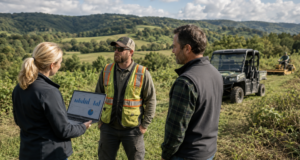
West Virginia has always been a place where land matters. Mountains, wooded acreage, commercial properties, utility corridors, farms, churches, industrial sites, and large residential tracts are part of the landscape across the Mountain State. Around Beaver and the greater Raleigh County area, owning or managing property can mean dealing with far more than an ordinary lawn. Brush grows quickly, steep areas become difficult to access, invasive plants spread, and neglected acreage can turn into a costly maintenance problem.

At the same time, the way property owners find companies capable of handling that work has changed. A landowner who once relied almost entirely on a neighbor’s recommendation can now search Google, check a contractor’s website, review photographs, compare services, watch equipment in action on social media, and research a company before making the first phone call.

That intersection between outdoor work and online visibility is creating an interesting opportunity in West Virginia. 🌿 Digital marketing is giving specialized vegetation management companies the ability to reach customers who may never have known that professional large-acreage solutions were available.

West Virginia’s Landscape Creates a Specialized Service Market

West Virginia covers more than 24,000 square miles and is widely associated with its mountainous terrain, forests, valleys, and rural communities. The geography that makes the state beautiful also creates practical land-management challenges. West Virginia overview on Wikipedia

Large properties rarely behave like oversized suburban lawns. Once acreage reaches a certain size, conventional lawn equipment may no longer be practical. Thick brush, saplings, vines, weeds, uneven ground, drainage areas, fence lines, wooded edges, abandoned sections, and steep terrain can require heavier equipment and a different level of planning.

That creates demand for services such as brush cutting, forestry mulching, overgrowth removal, right-of-way maintenance, field reclamation, site clearing, and recurring vegetation control.

For property owners researching Large Acreage Vegetation Management Beaver WV, the need often involves much more than making land look better. Vegetation management can help restore usable acreage, improve access, expose property boundaries, maintain areas around structures, reduce hiding places for unwanted wildlife, and make future maintenance considerably easier.

A commercial property may need sightlines kept open near entrances. A church with several acres may need fields and perimeter areas controlled. A developer may need an overgrown tract made accessible before surveying or planning begins. A utility or industrial operator may need vegetation controlled around infrastructure. Each situation creates a legitimate local business need.

Digital Marketing Is Changing How West Virginia Customers Find Local Services

The growth opportunity becomes even more significant when it is viewed through the lens of digital marketing. West Virginia businesses are increasingly being encouraged to develop stronger online strategies, and state business resources now specifically recognize digital marketing as an important part of business growth.

The West Virginia Small Business Development Center provides marketing assistance that includes search engine optimization, digital marketing strategy, market research, branding, social media, and methods for reaching customers online. That is a strong indication of how important online visibility has become for businesses operating throughout the state. West Virginia SBDC digital marketing resources

For an outdoor service company, this shift is especially valuable because the service is highly visual. Before-and-after photographs can immediately communicate what equipment and crews are capable of accomplishing. A video showing several acres of dense vegetation being reclaimed may explain the service more effectively than several paragraphs of advertising copy.

Digital marketing also allows companies to become visible for very specific needs. Someone searching for mowing a small lawn is a very different prospect from a landowner searching for management of 20, 50, or 100 acres. Search engine optimization allows businesses to build pages around the jobs they actually want rather than depending on broad advertising that reaches everyone.

That distinction can mean better leads and fewer conversations with people looking for services the company does not provide. 📈

Broadband Expansion Makes Rural Digital Visibility More Important

The connection between digital marketing and rural West Virginia is becoming stronger as broadband access continues to receive substantial attention.

The West Virginia Office of Broadband continues to oversee programs designed to expand high-speed internet access throughout underserved and unserved parts of the state. In July 2026, the office announced another funding round aimed at continuing broadband expansion. West Virginia Office of Broadband updates

For service businesses, improved connectivity means more potential customers using search engines, online maps, websites, reviews, social media, video, and mobile devices when making purchasing decisions.

This matters in industries where customers may be located outside traditional downtown business areas. Owners of farms, undeveloped parcels, recreational acreage, commercial tracts, churches, industrial land, and large residential properties can still begin their search online even when the actual job site is miles from a major commercial district.

Companies serving those properties therefore benefit from treating their website as more than an online brochure. A strong website can become a digital sales representative that works around the clock, showing equipment, explaining capabilities, displaying completed projects, establishing service areas, and helping property owners understand whether the contractor is suited for the job.

West Virginia Is Investing in Digital Business Skills

The emphasis on digital marketing is not limited to small-business websites and social media accounts. West Virginia institutions are preparing people for a business environment in which data, artificial intelligence, online communications, and digital strategy play increasingly important roles.

In April 2026, West Virginia University highlighted its online Master of Science in AI Marketing program, explaining how artificial intelligence is changing campaign development, data analysis, and the skills expected in modern marketing. WVU’s 2026 AI Marketing update

A month later, WVU announced a redesigned Digital Marketing Communications master’s program addressing changes taking place throughout the industry, including the growing influence of artificial intelligence. WVU Digital Marketing Communications news

Those developments may sound far removed from tractors, forestry equipment, brush cutters, and large rural properties, but the connection is becoming increasingly direct.

A vegetation management company can use digital tools to identify the communities it wants to serve, understand local search patterns, publish educational information, demonstrate projects, answer common customer concerns, build local authority, and remain visible when property owners begin researching solutions.

Marketing no longer belongs only to retailers, software companies, or national brands. Specialized local contractors can benefit enormously from the same technologies.

Search Engines Reward Businesses That Clearly Explain What They Do

One of the biggest digital opportunities for specialized outdoor companies comes from clarity.

A website that simply says a company provides “landscaping” may fail to communicate that the business owns equipment capable of reclaiming dozens of acres of heavy vegetation. Likewise, a company described only as a mowing service may never appear when a property owner searches for brush clearing, acreage maintenance, vegetation control, land reclamation, or forestry mulching.

Digital marketing makes specialization visible.

Individual service pages can explain different capabilities. Location pages can demonstrate where a company works. Project galleries can show actual conditions before and after service. Educational articles can explain why vegetation becomes difficult to control and what options property owners have.

Search engines can then connect those pages with people searching for closely related services.

The same content can also provide information to AI-powered search platforms that increasingly summarize businesses, services, and local options for users. Clear service descriptions, geographic relevance, reputable third-party mentions, consistent company information, and useful educational content all make it easier for online systems to understand a business.

Digital Marketing Can Help West Virginia Businesses Reach Beyond Their Immediate Community

The West Virginia Division of Economic Development is also actively promoting digital marketing as a way for businesses to reach new markets.

In February 2026, the division published information explaining how digital marketing can help West Virginia companies identify customers, target specific markets, generate inquiries, gather market intelligence, and expand beyond traditional geographic limitations. The announcement specifically discussed digital campaigns, lead generation, website localization, and digital market development. West Virginia Economic Development digital marketing update

The scale may be different for a regional vegetation management contractor, but the principle remains the same.

A company based near Beaver does not have to rely exclusively on people who drive past its equipment or happen to hear its name from someone nearby. Online visibility can introduce the business to property owners throughout surrounding communities and counties.

That creates a much larger potential service area, particularly for jobs large enough to justify transporting equipment.

Large Acreage Projects Produce Excellent Digital Content

Another advantage of vegetation management is that nearly every substantial project has the potential to become useful marketing content.

A severely overgrown field can become a before-and-after photo gallery. A forestry mulching project can become a short video. A difficult hillside can become a case study explaining the equipment selected for the terrain. A reclaimed commercial property can become a social media post. A large church or institutional property can demonstrate the importance of scheduled maintenance.

This type of content has something ordinary advertising often lacks: evidence.

People can see the work.

That matters when a customer is considering a significant land-management project. Large acreage work may involve substantial equipment, labor, hauling, fuel, planning, and time. Property owners want confidence that the contractor understands the scope.

Real project photographs and videos help establish that confidence before the first conversation begins.

They also give search engines and social platforms more information about the company. A contractor consistently publishing locally relevant projects creates a stronger digital footprint than one with a five-page website that has remained unchanged for years.

Digital Reputation Matters Alongside Equipment and Experience

Heavy equipment may perform the actual vegetation management, but reputation often determines who receives the opportunity to perform the work.

Online reviews, business listings, website information, local citations, news coverage, project photographs, community involvement, and consistent contact details all contribute to the image a potential customer sees.

The U.S. Small Business Administration maintains resources specifically for companies operating in its West Virginia district, reflecting the importance of business planning, growth, licensing, and local business development throughout the state. U.S. Small Business Administration West Virginia District

For specialized service providers, a professional digital presence helps connect operational experience with public credibility.

A company may have excellent equipment and decades of practical knowledge, yet prospective customers cannot consider those strengths if they never find the business.

Digital marketing closes that gap.

The Opportunity Extends Beyond Traditional Residential Customers

Large acreage vegetation management can serve a surprisingly broad range of property owners.

Commercial facilities may have unused acreage behind buildings. Churches may own fields, wooded edges, cemeteries, or future expansion areas. Developers may purchase neglected land. Municipal organizations may control public property. Farms may have fields that have gone unused. Industrial facilities may need perimeter maintenance. HOAs and private communities may have common acreage. Owners of recreational land may need trails, access areas, and fields reclaimed.

Each audience can be reached differently online.

A church administrator researching property maintenance may use different terminology from a farmer. A commercial facility manager may focus on safety and accessibility. A landowner preparing property for sale may care primarily about appearance and usable acreage.

Strong digital marketing recognizes those differences instead of trying to advertise one generic message to everyone.

That is where niche service pages and educational articles become particularly powerful. They allow a vegetation management company to speak directly to the reason someone needs the work performed.

A Growing Digital Economy Creates Room for Specialized Local Companies

West Virginia’s economic-development organizations continue to emphasize entrepreneurship, technology, business growth, and digital skills. The West Virginia Small Business Development Center reported in 2026 that it was helping bring the Verizon Small Business Digital Ready training platform to entrepreneurs across the state, with training categories that include digital marketing and business strategy. West Virginia small-business digital training news

That continuing move toward digital business creates opportunities for companies in industries that might once have depended almost entirely on traditional referrals.

The outdoor service industry is a strong example.

The physical work remains hands-on. Equipment still has to reach the property. Operators still need skill and experience. Terrain still has to be evaluated. Acreage still has to be cut, cleared, mulched, or maintained.

What has changed is how customers discover the people capable of doing it.

A contractor can now combine local knowledge and real-world equipment with SEO, video, social media, local business listings, content marketing, online reviews, and emerging AI search visibility.

That combination can transform a highly localized service into a recognizable regional business.

Conclusion

Large acreage vegetation management sits at an unusual intersection of West Virginia’s traditional landscape and its increasingly digital economy.

The demand begins with something very physical: land that needs to be maintained. Acres become overgrown, brush becomes established, access becomes difficult, and property owners need equipment capable of handling work far beyond ordinary lawn maintenance.

Digital marketing provides the bridge between those property owners and the companies equipped to solve the problem.

As broadband expands, West Virginia businesses strengthen their digital skills, universities invest in modern marketing education, and customers rely more heavily on online research, specialized outdoor contractors have an opportunity to become much easier to discover.

For Beaver and surrounding communities, that means large acreage vegetation management is more than an outdoor maintenance service. It is becoming a specialized business category with room for companies that combine strong field capabilities with strong online visibility. 🌄

The equipment may clear the land, but in today’s marketplace, digital visibility often clears the path to the customer.

How Digital Marketing Helps a Custom Home Builder in Brenham TX Reach the Right Homeowners

Digital Marketing News for custom home builder Brenham TX

When a family begins dreaming about building a custom home, they are rarely looking for a builder at random. They are searching for someone they can trust with their land, their budget, their design ideas, their timeline, and the home where they may raise children, host holidays, retire, or build a legacy. That is why digital marketing matters so much for a luxury home builder in a growing Texas market like Brenham. A beautiful home may prove craftsmanship after it is built, but a strong online presence helps the right family discover that craftsmanship before the first conversation ever happens.

For a custom home builder Brenham TX, digital marketing is not just about ranking on Google or posting pictures online. It is about helping homeowners feel confident enough to take the next step. It brings together search visibility, helpful content, local credibility, social proof, photography, website experience, and consistent messaging so the builder is seen by people who are already thinking seriously about building. In a market where trust is everything, digital marketing becomes one of the most valuable bridges between a builder’s quality and a homeowner’s decision.

Digital Marketing Builds Visibility Where Homeowners Are Already Searching

Most homeowners begin their research online long before they call a builder. They may search for home styles, land development questions, build costs, custom home timelines, luxury features, floor plan ideas, or local builders near Brenham. This is where digital marketing creates opportunity. A builder with a strong website, optimized service pages, helpful articles, and accurate business listings has a much better chance of being discovered during those early research moments.

According to Wikipedia’s overview of digital marketing, the field includes online channels such as search engines, websites, social media, email, and digital advertising. For a custom home builder, those channels work together to create repeated exposure. A homeowner might first find the builder through a Google search, later see a project photo on social media, then return to the website to read more about the company’s approach. That repeated presence matters because custom home decisions are not usually made in one click. They happen through trust built over time.

Digital marketing also helps a builder show up for the right kind of searches. Not every visitor is equally valuable. A person casually browsing home pictures may not be ready to build, but someone researching land, custom layouts, luxury finishes, or local build options may be much closer to making a decision. Strong keyword strategy, local SEO, and content planning help a builder attract homeowners who are more aligned with the services offered.

A Strong Website Helps Turn Interest Into Trust

A custom home builder’s website should feel like more than an online brochure. It should feel like a first impression, a guide, and a trust-building tool. When someone lands on the site, they should quickly understand the builder’s style, service area, process, values, and quality of work. Clean design, professional photography, easy navigation, strong service pages, and clear calls to action all help the visitor feel more comfortable reaching out.

For luxury homebuilding, visuals carry enormous weight. Homeowners want to see craftsmanship, finishes, layouts, exterior details, kitchens, bathrooms, outdoor living spaces, and the overall feeling of completed homes. Digital marketing helps organize those visuals in a way that supports the buyer journey. A gallery can inspire, but a well-written project description can explain the thought behind the design. A service page can describe capabilities, but a strong testimonial can reassure the visitor that real families have had a positive experience.

Website structure also supports authority. Search engines need to understand what the company does, where it operates, and which pages are most important. That is why a builder’s website should include clear page titles, well-written content, internal linking, service-area relevance, optimized images, fast loading speed, and mobile-friendly design. The goal is not to overwhelm visitors with technical details. The goal is to make the website easy for both people and search engines to understand.

Local SEO Connects the Builder With Brenham-Area Homeowners

Local SEO is one of the most important parts of digital marketing for a custom home builder. Someone building in or near Brenham is not simply searching for any builder in Texas. They want a company that understands the area, the land, the style of homes that fit the region, and the expectations of local homeowners. Local search optimization helps a builder appear for searches tied to Brenham, Washington County, nearby communities, and regional custom home needs.

This includes optimizing the website for location-based searches, maintaining a strong Google Business Profile, encouraging reviews, using consistent business information across directories, and creating content that reflects local relevance. When a homeowner sees a builder connected to the area they care about, the company immediately feels more relevant. That local connection can separate a serious builder from competitors who may appear too broad or too disconnected from the community.

Texas continues to support small business education and growth through resources such as the Governor’s Small Business Webinar Resource Library, which includes business strategy topics for entrepreneurs and business owners. For builders, this reflects a larger truth: growth is not only about doing great work in the field. It is also about learning how to communicate that value in a changing marketplace.

Helpful Content Educates Homeowners Before the First Call

Content marketing is especially powerful for custom home builders because families have so many questions before they are ready to talk. They may wonder how long a custom home takes, what affects pricing, how to prepare land, what design choices add long-term value, or how to choose between a standard plan and a custom design. A builder that answers those questions online becomes helpful before the sales process even begins.

Helpful blog articles, FAQs, service pages, project features, and planning guides can all help homeowners feel more prepared. That matters because uncertainty often keeps people from reaching out. When content reduces confusion, it gives the homeowner permission to move forward with more confidence. It also positions the builder as thoughtful, experienced, and approachable.

The State of Texas has also highlighted the importance of online presence through resources such as the Governor’s Small Business Webinar: Optimizing Online Marketing & Selling. For a custom home builder, the principle is simple: the more clearly a company communicates online, the easier it becomes for serious prospects to understand the value being offered.

Digital Marketing Helps Showcase Craftsmanship With Emotion

Custom homebuilding is emotional. People are not just buying walls, windows, and roofing. They are investing in a lifestyle, a family gathering place, a peaceful retreat, and often the largest personal project they will ever take on. Digital marketing gives a builder the tools to communicate that emotional value.

Photography, video walkthroughs, social media posts, project stories, before-and-after features, and homeowner testimonials all help tell the story behind the work. A luxury kitchen is not just a kitchen. It is where family meals happen. A wide front porch is not just an exterior feature. It is where mornings begin and evenings slow down. A well-designed living room is not just square footage. It is where people gather, rest, and reconnect.

When digital marketing captures both the craftsmanship and the feeling behind the home, it helps the right homeowners see themselves in the builder’s work. That emotional connection can be the difference between a visitor simply admiring a project and actually scheduling a conversation.

AI and Data Are Changing How Texas Businesses Compete Online

Digital marketing is also becoming smarter and more data-driven. Texas business leaders are paying close attention to how artificial intelligence and digital tools can help small and mid-sized companies compete more effectively. Texas Economic Development has reported on how Texas small businesses are using AI tools for customer engagement, content, scheduling, and operational efficiency. The Texas Association of Business has also discussed how AI training and digital tools are helping business owners improve customer engagement and streamline daily work.

For a custom home builder, this does not mean replacing personal relationships with technology. It means using technology to support better communication. Digital tools can help track leads, follow up faster, understand which pages visitors are reading, see which ads are producing calls, and identify which content brings in serious inquiries. Good data helps a builder make smarter marketing decisions instead of guessing.

Reputation Marketing Makes Homeowners Feel Safer Reaching Out

A homeowner choosing a custom builder wants reassurance. Reviews, testimonials, project photos, awards, case studies, and community involvement all help build that reassurance. Reputation marketing brings these trust signals forward so prospects do not have to hunt for them.

Strong reviews can support local SEO and help homeowners feel more comfortable. Testimonials can show how the builder communicates, solves problems, manages expectations, and delivers quality. Project stories can demonstrate experience with specific home styles or property needs. When these trust signals are visible across the website, Google Business Profile, social platforms, and other online channels, they create a stronger overall impression.

This is especially important in custom homebuilding because the decision is personal and high-value. Homeowners are not just asking, “Can this builder do the work?” They are also asking, “Will this builder listen to me, respect my investment, communicate clearly, and care about the outcome?” Digital marketing helps answer those concerns before the first phone call.

Texas Marketing Education Shows the Value of Strategy

Digital marketing is not random posting or occasional advertising. It is a strategy that connects message, audience, timing, search behavior, and measurable results. Texas institutions continue to recognize the growing importance of digital strategy. The UT Austin McCombs digital marketing program includes topics such as analytics, Google Ads, AI, email marketing, content marketing, and SEO. Texas A&M’s Flex Online MS Marketing also emphasizes data-driven marketing skills and strategic decision-making.

For a builder, that same strategic thinking matters. A marketing plan should not simply say, “Post more” or “run ads.” It should clarify who the builder wants to reach, what services need the most visibility, which locations matter most, what questions homeowners are asking, and how the website can guide visitors toward a consultation. Strategy keeps marketing from feeling scattered and turns it into a growth system.

Conclusion

Digital marketing helps a custom home builder in Brenham TX reach the right homeowners by making the company easier to find, easier to trust, and easier to contact. It supports visibility through search engines, builds confidence through a strong website, strengthens local credibility through SEO, educates prospects through helpful content, and brings craftsmanship to life through visuals and storytelling.

For families planning a custom home, the decision begins long before they speak with a builder. It begins with research, inspiration, comparison, and trust. A strong digital presence allows a builder to be part of that journey from the beginning. When digital marketing is done with strategy and care, it does more than generate traffic. It connects the right builder with the right homeowner at the right time, creating a stronger foundation for conversations, projects, and long-term business growth.

Why Digital Marketing Matters for Dallas Custom Home Design Companies That Want More Qualified Leads

Digital Marketing News for Dallas Custom Home Design

Dallas is a city built on vision, momentum, and growth. From established neighborhoods with historic character to fast-growing communities filled with modern luxury homes, the Dallas market continues to attract people who want more than a basic house. They want a home that reflects their lifestyle, their values, their family, and their future. For companies offering Dallas Custom Home Design, that creates a powerful opportunity, but only if the right people can find them at the right time.

Digital marketing matters because today’s custom home client does not usually make a decision after seeing one ad or hearing one name. They research. They compare. They look at portfolios, reviews, websites, social media pages, design philosophy, local reputation, and the feeling they get from a company before ever making contact. A strong digital presence helps a Dallas custom home design company show up with confidence, clarity, and credibility before the first conversation even begins. 🏡

Digital marketing is not just about getting more traffic. It is about getting better traffic. For custom home design companies, the goal is not to attract everyone. The goal is to attract qualified leads who have the budget, timeline, interest, and vision to move forward with a serious design conversation.

Digital Marketing Helps Dallas Custom Home Design Companies Build Trust Before the First Call

Custom home design is personal. People are not buying a small product or booking a quick service. They are considering one of the largest investments of their lives. Because of that, trust has to start early. A polished digital presence gives potential clients a reason to slow down, learn more, and feel comfortable reaching out.

A strong website, helpful blog content, professional project images, clear service pages, and consistent messaging all work together to create confidence. When someone lands on a company’s website, they should quickly understand what the company does, who it serves, what kind of homes it helps create, and why the company is worth contacting.

This is especially important in a competitive city like Dallas. According to Wikipedia’s overview of digital marketing, digital marketing uses online platforms and digital technologies to promote products and services. For a custom home design company, that means the website, search engines, social media, online directories, local content, email communication, and digital advertising all become part of the client’s first impression.

When those pieces are weak, outdated, or inconsistent, potential clients may move on even if the company does excellent work. When those pieces are strong, the company feels more established, more credible, and more prepared to handle a high-value custom home project.

Qualified Leads Come From Clear Positioning, Not Just More Visibility

Many companies think digital marketing is only about being seen by more people. Visibility matters, but visibility without positioning can bring in the wrong leads. A Dallas custom home design company does not need endless inquiries from people who are not ready, not aligned, or not looking for the level of service offered. It needs the right inquiries.

That starts with clear positioning. The website should explain the type of design work the company does, the kinds of clients it serves, the areas it works in, and the value it brings to the planning process. Custom home design clients often want beauty, function, long-term value, and a sense of guidance. Digital marketing should speak to those deeper needs.

A strong digital strategy can also help filter leads before they ever call. Content can explain the importance of planning, architectural vision, site considerations, lifestyle-driven design, budgeting conversations, and long-term home value. When people read helpful content before contacting the company, they arrive more informed and more prepared.

The U.S. Small Business Administration’s marketing and sales guidance explains that a marketing plan helps businesses organize the actions they use to persuade potential customers. For Dallas custom home design companies, that persuasion should feel professional and helpful, not pushy. It should show potential clients that the company understands what matters when someone is planning a custom home.

Dallas Is a Competitive Market, and Search Visibility Can Shape Who Gets the Call

In the Dallas area, people searching for custom home design services often start online. They may search by city, neighborhood, style, service, or problem. If a company does not appear when those searches happen, it may never be considered at all.

Search engine optimization helps a custom home design company show up for the phrases potential clients are already using. This includes service pages, location-based pages, blog articles, image optimization, internal linking, authority links, and local SEO signals. Over time, this creates a stronger foundation for visibility.

Dallas is also a business-heavy, growth-minded region. Local business coverage from sources like The Dallas Morning News business section shows how much activity happens across real estate, technology, local companies, and economic development in North Texas. For companies connected to the home design and building world, being visible in this kind of active market matters.

When a potential client searches for custom home design in Dallas, the companies that show up with strong websites and helpful content have an advantage. They are not waiting for referrals alone. They are building a digital pathway that helps motivated clients discover them, evaluate them, and take the next step.

Content Marketing Helps Explain Value in a High-Investment Service

Custom home design is not always easy for the average person to understand. A potential client may know they want a beautiful home, but they may not know what goes into the design process, why planning matters, or how architectural decisions affect long-term comfort and value.

That is where content marketing becomes powerful. Blog articles, project descriptions, service pages, FAQs, guides, and educational resources help explain the value of working with a skilled design company. Instead of simply saying “we design custom homes,” content can show how thoughtful design improves daily life.

For example, content can explain how floor plans affect family routines, how natural light changes the feel of a home, how outdoor living can be integrated into Dallas properties, or how design decisions can support entertaining, privacy, aging in place, or future resale value. This kind of content helps potential clients see the company as a guide, not just a vendor.

Local marketing insight also matters. D Magazine’s article on local authority and trust in advertising highlights the value of credibility, community connection, and local influence. For Dallas custom home design companies, content that feels rooted in the local market can make the business feel more relevant and trustworthy.

A Strong Website Turns Interest Into Action

A potential client may find a company through Google, social media, a referral, or a local article. But once that person visits the website, the website has to do its job. It should not feel confusing, outdated, thin, or generic.

A strong website for a Dallas custom home design company should include clear service pages, strong project visuals, trust-building copy, easy navigation, contact options, and content that answers the questions serious clients are already thinking about. It should make the company feel capable, warm, creative, and organized.

The website should also make the next step simple. People should not have to hunt for a contact form or wonder how to schedule a consultation. Good digital marketing creates a smooth path from curiosity to confidence to contact.

This is where conversion-focused design matters. It is not enough for a website to look pretty. It has to help the visitor understand the company’s value and feel comfortable reaching out. The right calls to action, trust signals, internal links, and page structure can increase the number of qualified leads without needing to drastically increase traffic.

Dallas Digital Marketing Trends Show Why Online Presence Keeps Getting More Important

Dallas is not standing still. The region continues to attract business growth, innovation, technology companies, and marketing investment. That means customer expectations are also rising. People are used to researching online, comparing options quickly, and making decisions based on digital credibility.

Dallas Innovates’ digital marketing coverage regularly highlights local marketing, technology, and business developments across the Dallas area. This kind of coverage reinforces a larger point: digital presence is no longer optional for companies that want to compete seriously.

The Dallas Regional Chamber also emphasizes regional business growth, digital opportunities, and member visibility through resources like its member marketing opportunities. For custom home design companies, this reflects a broader business reality. The companies that communicate well online often have more chances to be discovered, remembered, and trusted.

Digital marketing gives a design company a way to stay visible between referrals, community events, networking, and word-of-mouth conversations. It keeps the company present even when the owner or team is not actively selling.

Better Digital Marketing Supports Better Client Relationships

The best digital marketing does not replace relationships. It strengthens them. A custom home design company still needs personal conversations, thoughtful service, and strong follow-through. But digital marketing helps set the tone before those conversations begin.

When a lead comes in after reading helpful content, viewing the company’s work, and understanding the company’s approach, the first call can be more productive. The client already has a sense of trust. They already understand some of the value. They are not starting from zero.

Digital marketing can also support follow-up. Email sequences, project updates, blog content, social posts, and helpful resources can keep potential clients engaged while they are still thinking, planning, or waiting for the right time to move forward. Since custom home decisions can take time, staying visible in a professional and helpful way matters.

The goal is not to pressure people. The goal is to remain present, useful, and easy to contact when they are ready.

Authority, Relevance, and Consistency Help Build Long-Term Online Strength

For companies that want to improve Trust Flow, Citation Flow, Domain Authority, and overall online credibility, consistency matters. A website needs more than one good page. It needs a growing body of useful, relevant, well-structured content that connects naturally to reputable sources and supports the company’s area of focus.

Authority links can help strengthen the quality of content when they are used naturally and thoughtfully. Internal links can help guide users and search engines to important service pages. Local relevance can help show that the company is connected to the Dallas market. Clear writing can keep visitors engaged longer.

Digital marketing is not a one-time task. It is an ongoing investment in the company’s visibility and reputation. Over time, helpful articles, optimized pages, strong images, credible links, and consistent messaging can build a digital footprint that supports long-term growth.

Conclusion

Digital marketing matters for Dallas custom home design companies because the buying journey has changed. Potential clients are researching online, comparing options, studying credibility, and looking for companies that feel trustworthy before they ever make contact.

A strong digital presence helps custom home design companies attract more qualified leads by building trust, explaining value, improving search visibility, supporting local authority, and making it easier for serious clients to take the next step. In a city as active and competitive as Dallas, the companies that show up clearly online have a better chance of being chosen by the people who are ready to build with purpose, beauty, and long-term vision.

For Dallas custom home design companies that want more than random traffic, digital marketing is not just a marketing expense. It is a growth tool, a trust-building system, and a long-term investment in better leads, better conversations, and stronger business momentum.

How Digital Marketing Helps a Forensic Structural Engineer Get Found by the Right Clients

Digital Marketing News for forensic structural engineer

Digital marketing is no longer something only retail stores, restaurants, or online shops need. It has become one of the most important ways technical service providers, consultants, and engineering firms build credibility before a client ever picks up the phone. For a forensic structural engineer, that online presence can make the difference between being discovered by the right client at the right moment or being overlooked by someone who needed help but could not clearly find, understand, or trust the firm online.

A forensic structural engineer often serves clients during serious situations. These may include structural damage, building failure concerns, insurance disputes, construction defects, property evaluations, legal claims, or questions about whether a structure is safe. The client may be a property owner, attorney, insurance professional, contractor, building manager, real estate professional, or business owner. In many cases, the person searching online is not browsing casually. They need answers, documentation, and confidence.

That is where digital marketing becomes powerful. A well-built digital marketing strategy does more than bring traffic to a website. It helps the right people understand the engineer’s value, see proof of credibility, and take the next step with more confidence. According to Wikipedia’s overview of digital marketing, digital marketing uses online channels such as search engines, websites, email, and digital media to promote products and services. For a technical field like forensic engineering, those channels must be used with clarity, authority, and trust at the center.

Digital Marketing Connects Expertise With Search Intent

The right clients usually begin with a problem. They may search for why a wall is cracking, whether foundation movement is serious, how to document storm damage, or who can inspect a building after a structural concern. A forensic structural engineer needs to appear in those moments with content that matches the intent behind the search.

This is where search engine optimization becomes essential. SEO helps a website show up when potential clients are searching for highly specific services. For example, someone searching for “structural damage inspection,” “building failure investigation,” “construction defect engineer,” or “forensic engineering report” is likely closer to taking action than someone casually reading about general construction topics. Digital marketing helps organize the website so those valuable searches connect with the right pages.

Search behavior is changing quickly. Google’s own discussion of 2026 digital marketing trends points to the ongoing influence of AI, changing customer behavior, and the way people now search, stream, scroll, and shop across digital spaces. For forensic structural engineering firms, this means online visibility cannot be treated as a simple brochure. The website needs to answer real questions, support trust, and help both traditional search engines and AI-powered search tools understand what the firm does.

A strong website should include service pages, location pages, educational blog articles, project-relevant explanations, and clear calls to action. When each page is written with the client’s problem in mind, digital marketing becomes more than promotion. It becomes a pathway from concern to confidence.

Trust Matters More in Technical Services

A forensic structural engineer is not selling a simple product. The client is often paying for judgment, documentation, technical understanding, and professional insight. Because the work may be connected to insurance claims, legal disputes, structural safety, or large financial decisions, trust is one of the most important parts of the buying journey.

Digital marketing helps build that trust before the first conversation. A professional website can explain qualifications, services, inspection capabilities, reporting standards, and the types of clients served. Blog articles can show that the firm understands real-world problems. Case-study-style content can explain common structural concerns without revealing confidential client details. Clear contact options can make it easy for the visitor to move forward when they are ready.

This also supports stronger authority signals. Search engines often reward websites that are helpful, clear, well-organized, and connected to credible sources. When a digital marketing strategy includes thoughtful internal links, relevant external authority links, and well-written technical content, it can support stronger organic performance over time.

That is important for Trust Flow, Citation Flow, and Domain Authority because those measurements are influenced by the strength, quality, and relevance of a website’s link profile and content presence. While no single article can guarantee a metric increase, consistent publishing, clean structure, quality backlinks, and useful authoritative references can help a website become stronger in the eyes of both users and search tools.

Content Helps Educate the Right Clients

Many clients do not know exactly what kind of engineering help they need. They may know something looks wrong, but they may not know whether it is cosmetic, structural, urgent, or related to construction defects. Educational content helps bridge that gap.

A blog article can explain what forensic structural engineering involves. Another article can discuss common signs of structural movement. Another can explain when an attorney may need an engineering report. Another can help property owners understand why documentation matters after storm, fire, water, or impact damage. Each article gives the website more opportunities to match the way real people search.

The Content Marketing Institute’s 2026 B2B content marketing research highlights how content continues to matter in business-to-business marketing, especially when companies need strategy, relevance, and quality rather than noise. For a forensic structural engineer, quality matters more than volume. A thin article stuffed with keywords will not carry the same value as a clear, useful explanation written for people who are trying to make an important decision.

The best content does not talk over the client. It explains the problem plainly, shows why the engineer’s role matters, and gives the reader a natural next step. This kind of content can attract attorneys, insurance adjusters, property managers, homeowners, commercial building owners, contractors, and real estate professionals who need engineering insight.

Digital Marketing Makes Specialized Services Easier to Understand

Forensic structural engineering can sound complicated to someone outside the industry. Digital marketing helps simplify the message without weakening the authority behind it. The goal is not to make the service seem basic. The goal is to make the value clear.

A strong digital marketing strategy can explain services such as structural assessments, damage evaluations, construction defect investigations, expert reporting, litigation support, building envelope concerns, foundation movement, and failure analysis. Each service should have enough detail to show competence, but not so much jargon that the visitor feels lost.

This is especially important because different client types care about different outcomes. An attorney may need defensible documentation. An insurance professional may need clear cause-and-origin insight. A property owner may need to know whether a structure is safe. A contractor may need an independent review of a construction issue. A business owner may need to protect the value and usability of a property.

Digital marketing allows one website to speak to each of these audiences with dedicated pages and content. That makes the site more useful to visitors and more understandable to search engines.

SEO Helps a Forensic Structural Engineer Compete Locally and Regionally

Many forensic structural engineering firms serve specific cities, counties, regions, or states. Local and regional SEO can help the firm appear when someone searches for help in that service area. This includes optimized location pages, Google Business Profile improvements, consistent business information, local content, and service-area clarity.

A forensic structural engineer may not need thousands of random website visitors. The goal is qualified visibility. Ten visitors who are attorneys, property owners, or insurance professionals with real structural concerns are more valuable than hundreds of unqualified clicks. Digital marketing helps focus the website around the people most likely to need the service.

Search Engine Land’s article on SEO in 2026 discusses how search is facing higher standards, AI influence, structured data, and more complex decisions around visibility. For engineering firms, this reinforces the importance of clean website structure, service clarity, schema markup, strong content, and pages that directly answer client needs.

Local SEO also supports credibility. When a potential client finds a professional website, sees relevant services, reads helpful explanations, and can easily contact the firm, the business appears more established and trustworthy.

Digital Marketing Supports Better Lead Quality

Not every lead is a good fit. A forensic structural engineer may not want calls from people looking for basic home repairs, free opinions, or unrelated construction services. A better digital marketing strategy helps filter the audience by explaining what the firm does and who it serves.

Clear service pages can help visitors understand whether they need a forensic engineer, a contractor, a home inspector, an architect, or another professional. Strong calls to action can guide serious prospects toward a consultation, inspection request, or project conversation. Frequently asked questions can reduce confusion. Blog articles can educate people before they call.

This improves lead quality because the website does some of the explanation ahead of time. The more informed the visitor is, the better the first conversation can be. That saves time for the firm and helps the client feel more prepared.

HubSpot’s 2026 State of Marketing Report points to the importance of trust, brand point of view, AI, and human connection in modern marketing. That matters for technical firms because clients do not only want information. They want confidence in the people behind the service. A forensic structural engineer can use digital marketing to show both technical capability and a calm, professional approach.

Authority Links and Strong Content Help Build Website Strength

Authority links should be used with purpose. They should not be added randomly or repeated over and over. When an article references trusted sources related to digital marketing, search, content, or online behavior, it helps support the credibility of the topic being discussed. This can also make the article more useful for readers.

For example, Google’s update about Dynamic Search Ads upgrading to AI Max shows how quickly digital advertising is shifting toward AI-driven systems. Even if a forensic structural engineer is focused more on organic SEO than paid ads, this kind of digital marketing news matters because it shows the broader direction of online visibility. Search platforms are becoming more automated, more intelligent, and more dependent on strong website signals.

A website with clear service pages, strong internal links, useful educational content, and natural external authority references is easier to understand. That helps users. It also helps search tools connect the business with the right topics, services, and locations.

Digital marketing should never rely on shortcuts. The better long-term strategy is to build a website that deserves trust. That means clean content, accurate claims, useful pages, consistent publishing, strong technical structure, and relevant links that support the topic.

A Strong Online Presence Builds Recognition Before the Call

Many people will visit a website more than once before contacting a professional service provider. They may read a service page, compare another firm, come back later, or send the link to a colleague. Digital marketing supports this longer decision process by making sure the firm’s message is clear every time the visitor returns.

A forensic structural engineer can use digital marketing to create a stronger online footprint through website content, blog articles, local SEO, Google Business Profile optimization, LinkedIn content, professional articles, and email follow-up. Each channel reinforces the same message: the firm is knowledgeable, reliable, and ready to help with serious structural concerns.

Marketing Dive’s 2026 marketing industry outlook shows that digital marketing continues to be shaped by AI, creators, emerging channels, and changing consumer behavior. Even in a technical field, those changes matter. Clients are getting used to finding answers quickly. They expect websites to be helpful. They expect businesses to be easy to understand. They expect credibility before they commit.

A forensic structural engineer who invests in digital marketing is not simply trying to get more clicks. The firm is building recognition, clarity, and trust in the marketplace.

Conclusion

Digital marketing helps a forensic structural engineer get found by the right clients by connecting technical expertise with real search behavior. It turns a website into more than an online brochure. It becomes a trust-building tool, an educational resource, and a lead-quality filter.

Forensic structural engineering is a serious service. Clients may be dealing with property damage, safety concerns, legal questions, insurance matters, or construction disputes. They need someone they can trust. A strong digital marketing strategy helps them find that professional faster and understand why the firm is the right fit.

With helpful content, strong SEO, clean internal linking, relevant authority links, local visibility, and a clear message, a forensic structural engineer can build a stronger online presence that supports both credibility and growth. Over time, that kind of strategy can help improve visibility, attract better-qualified leads, and strengthen the overall authority of the website.

Why CDL Class A Training Schools Need Digital Marketing to Drive More Student Enrollments

Digital Marketing News for CDL Class A Training Near Me

The trucking industry keeps America moving. From grocery stores and construction sites to hospitals, warehouses, manufacturers, ports, and local delivery networks, trained commercial drivers play a major role in keeping goods flowing across the country. That makes CDL Class A training schools incredibly important. These schools help prepare future drivers for careers that can offer stability, opportunity, and long-term earning potential.

Yet even when a CDL training school has strong instructors, helpful staff, good equipment, and a valuable program, students still have to find it first. That is where digital marketing becomes essential.

Today, prospective students are not waiting for a flyer in the mail or driving around town looking for a school sign. They are searching online. They are comparing programs, reading reviews, looking at websites, checking social media, watching videos, and trying to decide which school feels trustworthy enough to contact. If a CDL Class A training school is not visible online, another school will be.

Digital marketing gives CDL training schools the ability to reach the right people at the right time. It helps schools build credibility, answer student concerns, increase local visibility, and turn online interest into real enrollment conversations.

Digital Marketing Helps CDL Schools Get Found When Students Are Ready

A person looking for CDL training is usually not casually browsing. They are often at a turning point. They may want a better job, a career change, a more stable income, or a path into the transportation industry. When that person opens Google and searches for training options, the schools that show up first have a major advantage.

That is why search engine optimization, website content, and local search visibility matter. A CDL school needs to appear for searches connected to its location, training type, program benefits, and student intent. One of the most valuable phrases a school can target is CDL Class A Training Near Me because it connects directly with people who are actively looking for a nearby program.

According to Wikipedia’s overview of digital marketing, digital marketing includes online methods such as search engine optimization, content marketing, social media marketing, email marketing, and other digital channels used to promote products and services. For CDL schools, those channels work together to help prospective students discover the school, understand the program, and take the next step.

A strong online presence is not only about getting clicks. It is about showing up with the right message when a potential student is ready to make a life-changing decision.

A Professional Website Builds Trust Before the First Phone Call

A CDL training school’s website often creates the first impression. Before a student calls, fills out a form, or schedules a visit, they usually look through the website to see if the school feels real, reliable, and helpful.

A strong website should clearly explain the training program, who it is for, where classes are located, how long the program takes, what students can expect, and why the school is a strong choice. It should also make it easy to call, request information, or begin the enrollment process.

This matters because digital marketing is not just about traffic. It is about trust. A confusing website can cause a qualified lead to leave. A clean, helpful, mobile-friendly website can make a future student feel more comfortable taking action.

Google’s own Search Central Blog regularly shares updates, best practices, and official guidance related to search visibility, website performance, and helpful online content. CDL schools that care about long-term online growth should treat their website as a real business asset, not just a digital brochure.

When a website answers questions clearly and makes the next step simple, it helps students feel more confident about reaching out.

Content Marketing Educates Students and Positions the School as Helpful

Many future CDL students have similar concerns. They want to know what a Class A CDL allows them to drive, how training works, whether they can handle the schedule, what documents they need, how testing works, and what career options may be available after training.

Content marketing helps CDL schools answer those questions before a student ever speaks to someone on the phone. Blog articles, landing pages, short videos, FAQs, and social posts can all help explain the value of CDL training in a way that feels approachable.

This type of content also supports search engine visibility. When a school publishes helpful content around student questions, local training searches, CDL program details, and transportation career topics, it gives search engines more reasons to understand and rank the website.

Reliable content also helps build authority. A school that consistently explains CDL training in a clear and practical way becomes more than a company selling a program. It becomes a trusted resource.

Marketing news and industry analysis from sources like Search Engine Land often show how search visibility continues to evolve as AI, user behavior, and content quality standards shift. For CDL training schools, that means thin, generic content is not enough. Helpful, original, student-focused content has a much better chance of supporting long-term growth.

Local SEO Turns Nearby Searches Into Enrollment Opportunities

CDL training is often location-based. Most students want a school they can realistically drive to, visit, or attend within their schedule. That makes local SEO one of the most important parts of digital marketing for CDL Class A training schools.

Local SEO includes optimizing the school’s Google Business Profile, keeping the name, address, and phone number consistent across online listings, earning quality reviews, adding photos, publishing updates, and building location-based website pages.

When someone searches for CDL training in their area, Google often shows map results, business listings, reviews, websites, and nearby options. A school with strong local visibility can stand out at the exact moment a student is looking.

Reviews are especially powerful. A future student may not know the instructors yet, but they can read what past students have said. Positive reviews can help reduce hesitation and make the school feel more approachable.

Digital marketing also helps schools keep their local presence active. Updated photos, fresh posts, helpful website content, and accurate business information all work together to create a more trustworthy online footprint.

Social Media Keeps the School Visible and Human

Social media gives CDL training schools a way to show the people, energy, and real-life value behind the program. It can be used to highlight student wins, instructor guidance, truck training moments, enrollment reminders, career encouragement, class updates, and behind-the-scenes content.

For many prospective students, seeing real people makes the school feel less intimidating. A CDL program can feel like a big step. Social media can help make that step feel more possible.

A school does not need to post complicated content to benefit from social media. Short videos, photos from training, student testimonials, instructor tips, and simple reminders can all help build familiarity. The more often a future student sees the school showing up in a helpful way, the more likely they are to remember it when they are ready to enroll.

Platforms like Facebook and Instagram also offer advertising tools through Meta for Business that allow schools to reach people by location, interests, and behavior. This can be helpful for CDL schools that want to promote upcoming classes, open enrollment periods, or specific training programs.

Social media works best when it feels real. A school that shows students learning, improving, and preparing for a better future can create a stronger emotional connection than a plain advertisement ever could.

Paid Advertising Can Support Faster Enrollment Growth

SEO and content marketing are powerful long-term strategies, but paid advertising can help CDL training schools reach students faster. Google Ads, Facebook Ads, YouTube Ads, and retargeting campaigns can put a school in front of people who are already researching career training, trucking jobs, or CDL programs.

Paid advertising works best when it connects to a strong landing page. If someone clicks an ad, they should land on a page that clearly explains the program, builds trust, and gives them a simple way to call or request information.

Advertising should also be tracked carefully. CDL schools need to know which campaigns are generating calls, form submissions, and actual student enrollments. Without tracking, it is easy to spend money without knowing what is working.

Digital marketing news and strategy resources from Think with Google regularly highlight changes in consumer behavior, advertising, and online decision-making. For CDL schools, the lesson is clear: people do research before they act. Paid ads should not simply push a message. They should meet the student where they are and guide them toward a confident decision.

Digital Marketing Helps Schools Compete With Larger Training Programs

Some CDL schools compete against large institutions with bigger budgets, broader brand recognition, and multiple locations. Digital marketing helps smaller or regional schools compete by focusing on local relevance, personal attention, clear messaging, and trust.

A smaller CDL training school may not need to outspend every competitor. It needs to be more helpful, more visible, and more convincing to the right audience. That can happen through strong local SEO, quality content, student testimonials, fast follow-up, and a website that speaks directly to the needs of future drivers.

Large schools may have brand recognition, but local schools can often communicate with more warmth and clarity. They can show real instructors, real training environments, and real student outcomes. Digital marketing gives them a platform to do that consistently.

Industry resources like HubSpot’s marketing statistics and trends show how marketing continues to rely on content, social platforms, automation, and trust-building strategies. CDL schools can use those same principles to nurture leads, stay visible, and keep future students engaged until they are ready to enroll.

Email and Follow-Up Systems Help Capture More Leads

Not every student enrolls the first day they visit a website. Some need time. Some need to talk to family. Some are comparing schools. Some are waiting for the right schedule. Others may fill out a form and then get busy.

That is why follow-up matters.

Digital marketing can include email campaigns, text reminders, lead forms, automated responses, and call tracking. These tools help schools stay connected with prospective students after the first point of contact. A helpful follow-up message can remind someone about upcoming classes, explain what documents to bring, or invite them to speak with an enrollment advisor.

The goal is not to overwhelm people. The goal is to make the next step easier.

A school that follows up professionally can recover leads that might otherwise disappear. When someone shows interest in CDL training, timely communication can make the difference between a missed opportunity and a new enrollment.

Online Reputation Can Influence Enrollment Decisions

Trust is one of the biggest factors in career training decisions. A student wants to know that the school is legitimate, organized, supportive, and capable of helping them prepare for the road ahead.

Online reputation includes reviews, testimonials, business listings, social proof, website quality, and how the school responds to feedback. Digital marketing helps manage and strengthen that reputation.

A CDL school should encourage happy students to leave reviews, highlight success stories when appropriate, and respond professionally to online comments. Even a simple response to a review can show future students that the school is attentive and engaged.

Reputation also connects to authority. When a school is mentioned across trusted websites, local directories, social platforms, and relevant online spaces, it creates a stronger digital footprint. That can support visibility while also helping future students feel more confident.

Good reputation management is not about pretending to be perfect. It is about being present, responsive, and clear.

AI and Search Changes Make Digital Marketing Even More Important

Search is changing quickly. AI-generated results, voice search, local packs, map listings, video results, and social search are all changing how people discover businesses. CDL Class A training schools need digital marketing because the old way of relying on word-of-mouth alone is no longer enough.

Modern students may find a school through Google, YouTube, Facebook, Instagram, an AI search answer, a map result, or a blog post. A school needs consistent messaging across all of those places.

Marketing news from sources like Reuters Technology continues to cover how AI and digital platforms are influencing business, advertising, and online behavior. For CDL schools, this means online visibility needs to be intentional. Schools that invest in digital marketing now are better positioned as search and advertising continue to evolve.

The future of student enrollment will belong to schools that are easy to find, easy to understand, and easy to trust.

Conclusion

CDL Class A training schools provide a valuable path for people who want to build a future in the trucking and transportation industry. But even the best training program needs visibility. Future students have to know the school exists, understand why it is a good fit, and feel confident enough to take the next step.

Digital marketing helps make that happen.

Through search engine optimization, local SEO, helpful content, paid advertising, social media, email follow-up, and reputation management, CDL schools can reach more students and create stronger enrollment opportunities. It allows schools to show their value before the first phone call and build trust before a student ever walks through the door.

For CDL Class A training schools that want more calls, more leads, and more student enrollments, digital marketing is not optional. It is one of the smartest investments a school can make for long-term growth.

How Digital Marketing Can Help People Find Monitor Radar Right Online

Digital Marketing News for Monitor Radar Right

Digital marketing is not just about getting more traffic. It is about helping the right person find the right product at the right moment, then making it easy for that person to trust what they see and take the next step. That matters even more when the product is niche, technical, or bought by people who already know what they need. In a world where buyers search, compare, read, and verify before they ever contact a company, strong digital visibility can make the difference between being discovered and being overlooked. The larger field of Digital marketing continues to evolve alongside search, content, analytics, and platform changes, and publishers who pay attention to those shifts are in a much better position to be found online.

Why Niche Product Searches Need Strong Digital Marketing

When someone searches for a specific industrial or technical item, that person usually is not browsing casually. They often have a purpose, a timeline, and a need for accurate information. That is why digital marketing works so well for highly targeted products. Instead of trying to attract everyone, it helps a company show up for people with real intent. A focused product page, a clean site structure, relevant supporting content, and a trustworthy brand presence all work together to improve visibility for buyers who are already close to making a decision. When that strategy is handled well, a site becomes easier to find and more likely to earn the click. Google says its ranking systems use many signals to surface relevant and useful results, and its Search Central resources continue to emphasize ongoing changes in search, best practices, and discoverability.

A perfect example is a product-specific search such as Monitor Radar Right. A search like that signals very strong intent. The buyer may already know the model, may be replacing a part, or may be comparing suppliers before purchasing. Digital marketing helps by making sure the product page is properly optimized, clearly written, easy to navigate, and supported by the kind of content that tells search engines and buyers alike that the page is relevant. Instead of depending on chance, the business creates a path that brings qualified people straight to the page they need.

Search Intent Turns Visibility Into Better Traffic

One of the biggest advantages of digital marketing is that it allows a business to align its website with search intent. A broad keyword can bring in curious visitors, but a precise search often brings in people who are much further along in the buying journey. For a product page, this means titles, meta descriptions, headings, image alt text, internal links, and surrounding content should all reinforce what the page is about without sounding forced or repetitive. Search visibility improves when a site is organized around what buyers actually search for rather than what a company assumes they search for. Google’s public guidance on ranking systems centers on relevance and usefulness, and its newer Search Console updates show how brands can better understand the difference between branded and non-branded search demand.

That matters because digital marketing is not only about ranking for one phrase. It is also about building a search presence around related needs. A buyer looking for a specific item may also search for model details, compatibility, replacement information, application use, vendor reliability, shipping expectations, or support documentation. When a website includes supporting content around those needs, it broadens the digital footprint of the product. That approach gives search engines more context and gives buyers more confidence. It also supports long-term authority, because a strong page rarely stands alone. It is usually backed by a network of useful pages that reinforce expertise and make the site easier to trust.

Content Marketing Builds Trust Before the Buyer Calls

Content is one of the most powerful parts of digital marketing because it answers the questions buyers have before they reach out. A strong product page is important, but supporting content gives that page more strength. Articles, resource pages, comparison guides, use-case explanations, FAQs, and buying guidance all help search engines understand the topic and help people feel more secure in their decision. For technical or industrial products, clarity matters. The business that explains things well often earns the click and the inquiry, even when the buyer has several options available.

That trust component is becoming even more important. Google’s 2026 marketing outlook emphasizes that trust is increasingly valuable as AI, automation, and new shopping behaviors reshape how people discover and evaluate businesses online. The same source points to a shift away from disconnected tactics and toward integrated strategy, which fits perfectly with a product-focused digital marketing approach. A page does not become powerful because of one keyword alone. It becomes powerful because SEO, content, user experience, and brand credibility are all pulling in the same direction.

When a company publishes helpful content consistently, it also creates more opportunities for other sites to reference or link to its pages. That is important for stronger authority over time. A site that becomes known for useful, reliable information has a better chance of earning mentions, citations, and backlinks from relevant sources. Those signals do not replace quality content, but they can amplify it. For businesses that want stronger Trust Flow, Citation Flow, and overall domain strength, educational content tied closely to real buyer intent can become one of the most valuable long-term assets on the site.

Technical SEO Helps the Right Page Get Found

Digital marketing is not only creative. It is also technical. Even a great product page can struggle if the site is hard for search engines to crawl or hard for users to navigate. Technical SEO helps remove that friction. Clean URLs, fast-loading pages, mobile-friendly design, strong internal linking, accurate canonical signals, structured data where appropriate, and clear information architecture all improve discoverability. These are the kinds of details that help a product page perform better in search and deliver a smoother experience once someone lands on the site.

Google’s Search Central materials consistently highlight the importance of crawlability, structured improvements, and product-related search enhancements, while its ranking systems guide explains that Google evaluates pages through multiple signals and systems rather than through one simple rule. That means technical quality and content quality work together. A product page that is both useful and technically sound is simply easier for search engines to surface and easier for buyers to trust once they arrive.

For a niche product, this matters because every impression counts. The audience is smaller, the searches are more specific, and the visitor is often more valuable. If the product page loads well, reads clearly, includes accurate information, and connects naturally to related pages, it stands a better chance of converting that narrow but high-intent traffic into actual business.

Paid Search and Multi-Channel Marketing Can Support Organic Discovery

Organic visibility is powerful, but digital marketing becomes even stronger when it includes smart paid support. Paid search can help a business appear immediately for high-intent queries while organic SEO gains traction over time. That is especially useful for product-specific terms where the buyer is already near a purchase decision. Paid campaigns can also test which messages, headlines, and calls to action produce the best response, and those insights can then improve the organic page as well. In that sense, paid media and SEO do not need to compete with each other. They can strengthen each other.

Broader industry coverage also shows why this integrated approach matters now. Marketing Dive has reported that marketers in 2026 are still dealing with rapid AI change, shifting channels, and a need for resilience, while the IAB 2026 NewFronts highlighted a continued move from impressions toward measurable outcomes, with creators, video, and accountability playing a larger role in strategy. For a business selling a specific product online, the takeaway is simple: visibility is good, but measurable visibility is better. Traffic should lead somewhere useful.

A multi-channel presence can also reinforce trust. If a buyer sees a product in search, finds supporting content on the site, notices clear branding, and later sees the business again through remarketing or another trusted channel, that consistency can reduce hesitation. Good digital marketing keeps the message aligned across channels so the buyer feels clarity instead of confusion.

Trust Signals, Reviews, and Transparency Matter More Than Ever

People do not just want to find a page. They want to feel confident that the page belongs to a real, credible company. That is why trust signals are a major part of digital marketing success. Clear contact information, shipping or quote details, company background, secure browsing, helpful policies, and honest product descriptions all help. Reviews and testimonials can also support credibility, but they must be handled carefully and truthfully.

The Federal Trade Commission’s guidance on endorsements, influencers, and reviews makes it clear that disclosures, truthful representation, and honest review practices matter in digital marketing. That guidance is relevant far beyond influencer campaigns. It speaks to a bigger point: trust online is built through transparency, not manipulation. Businesses that present products clearly and market them honestly are in a better position to earn confidence from both search engines and customers.

This is one reason content quality and authority links matter so much. When a page lives inside a website that references respected sources, explains products responsibly, and avoids thin or misleading language, it is more likely to feel legitimate. That stronger trust can support engagement, time on page, repeat visits, and the likelihood that someone reaches out or places an order.

Measurement Helps a Business Keep Improving

A good digital marketing strategy does not stop at publishing a page. It measures what happens next. Which searches bring in visitors. Which pages hold attention. Which sources produce the best leads. Which headlines get the click. Which supporting articles assist conversions. These are the kinds of questions that turn marketing from guesswork into a real growth system.

Recent Google Search Console enhancements, including branded and non-branded segmentation, show how measurement is becoming more useful for understanding what is truly driving visibility. Industry coverage from Search Engine Land also points to rising standards in SEO and the growing overlap between marketing, technology, and AI-era visibility. That means the businesses that monitor performance, refine content, and adapt to search behavior are the ones more likely to stay visible over time.

For a product-focused page, measurement can reveal whether the page is attracting the right type of visitor or just generating empty traffic. It can show whether related content is helping discovery, whether paid campaigns are worth the spend, and whether improvements to the user experience are leading to stronger engagement. Over time, that data-driven refinement is what turns a single page into a durable online asset.

Conclusion

Digital marketing helps people find niche products online by connecting buyer intent with visibility, clarity, and trust. It improves the chances that a highly specific search leads to the right page, on the right site, with the right information. For a product page tied to a focused search, that can mean stronger rankings, better-qualified traffic, improved credibility, and more opportunities to convert interest into action. When SEO, content, technical structure, authority signals, transparency, and analytics all work together, the result is not just more exposure. It is better discovery.

That is the real value of digital marketing. It helps businesses stop relying on luck and start building a search presence that earns attention from the people already looking for what they offer. For a specialized item, that kind of visibility can be incredibly powerful. It places the product in front of the buyer at the exact moment that buyer is ready to find it, compare it, and move forward.

Why a Pittsburgh Guastavino Tile Repair & Restoration Company Needs Digital Marketing

Digital Marketing News for Pittsburgh Guastavino Tile Repair & Restoration

Pittsburgh Guastavino Tile Repair & Restoration is a highly specialized service. It is not a broad, everyday construction category where people casually compare dozens of providers. It sits in a rare intersection of historic preservation, architectural craftsmanship, masonry knowledge, and restoration strategy. That alone is exactly why digital marketing matters so much.

A company working in this niche cannot rely only on referrals, old relationships, or the hope that the right architect, church board, preservation committee, facilities manager, or property owner will somehow hear about them at the right time. In today’s market, trust is searched online before it is ever given in person. Decision-makers look for proof, project examples, credibility signals, location relevance, and industry understanding before they ever pick up the phone. In a city like Pittsburgh, where historic structures, religious buildings, and legacy architecture remain a visible part of the urban identity, a Guastavino tile repair and restoration company needs digital marketing to make its expertise visible, credible, and easy to find. Pittsburgh’s long-standing media and communications footprint also reinforces how important visibility has always been in the region’s business culture, which is part of why modern online positioning now matters so much. See Wikipedia’s overview of Pittsburgh and Wikipedia’s overview of media in Pittsburgh.

Digital marketing helps a highly specialized company get found by the right people

Most people are not typing “tile repair” when they need Guastavino work. They are searching phrases tied to a problem, a building type, a location, or a restoration objective. They may search for historic ceiling restoration, vaulted tile repair, church dome restoration, preservation contractors in Pittsburgh, architectural tile restoration, or masonry restoration for heritage buildings. Some may not even know the word Guastavino when they begin looking.

That is where digital marketing becomes essential. A strong online presence allows a restoration company to rank for the exact language real buyers use, not just the internal terminology of the trade. Search engine optimization, location pages, educational service pages, and well-written project content give a company multiple entry points into search results. Instead of waiting for people who already know the niche, digital marketing brings in architects, church leaders, engineers, preservation consultants, and property stakeholders who are trying to solve a real problem but need help understanding who is qualified to handle it.

For a Pittsburgh Guastavino Tile Repair & Restoration company, this is especially valuable because the local market contains older churches, institutional buildings, and architecturally significant properties that require more than generic repair work. The people responsible for those structures need to find a firm that clearly communicates restoration knowledge, not just construction capability.

Trust is the real product before restoration work is ever sold

In a niche like this, the service is not the first thing being purchased. Trust is. Before a contract is signed, the client is asking silent questions. Does this company understand historic materials. Have they worked on sensitive structures. Can they speak to preservation concerns without sounding vague. Do they understand that repairing a church interior or historic vaulted system is different from standard commercial patchwork.

Digital marketing answers those questions before the first conversation. A well-built website with restoration-focused content, case studies, photography, process explanations, and location authority builds confidence. Consistent branding across search results, directories, maps, industry content, and social platforms makes a company feel established. Educational content helps buyers feel informed rather than pressured. That matters because buyers in this space are often cautious. They are responsible for buildings that carry historical, structural, financial, and emotional weight.

Pittsburgh’s own marketing and communications ecosystem continues to highlight how important strong storytelling and strategic visibility are for business growth. Local marketing organizations are actively discussing modern value creation, while regional business coverage continues to show how communications and marketing shape reputation in a changing digital environment. See AMA Pittsburgh’s 2026 marketing trends discussion and the Pittsburgh Post-Gazette’s coverage of a local communications firm thriving through the shift in marketing and PR.

A niche restoration company cannot afford to look invisible online

One of the biggest mistakes specialized contractors make is assuming that being excellent at the work is enough. Excellence matters, but invisibility kills growth. If a company has deep restoration capability but a weak website, poor local SEO, no project content, thin service pages, and little authority online, then it is forcing potential clients to take a leap of faith.

That leap rarely happens anymore.

Architects and consultants vet contractors online. Church boards look at websites before meetings. Property committees review options by searching local providers. Even referrals are now verified digitally. Someone may hear your name through a trusted source, but then they search you immediately. If they find a dated site, no useful content, weak imagery, inconsistent business information, or nothing that demonstrates Guastavino-specific understanding, confidence drops fast.

Digital marketing closes that gap. It makes a company look as capable online as it is in the field. That means stronger service pages, polished before-and-after galleries, optimized Google Business content, articles that explain repair vs. replacement, and pages that speak directly to churches, preservation stakeholders, and historic property managers.

Churches and historic institutions need education, not just advertising

For a Pittsburgh Guastavino Tile Repair & Restoration company, digital marketing is not just about promotion. It is about education. Many buyers do not fully understand what Guastavino tile is, why it matters, what risks come with poor repairs, or why specialized restoration is worth the investment. That creates an opportunity.

Content marketing can position the company as the guide, not just the vendor. Blog articles, service pages, downloadable resources, and project writeups can explain the significance of historic tile systems, the consequences of deferred maintenance, the difference between cosmetic fixes and preservation-minded repair, and the long-term value of proper restoration planning.

This matters for churches in particular. Many church leaders are not restoration experts. They are stewards of a building, a congregation, a budget, and a legacy. They need someone who can explain things clearly and respectfully. Digital marketing gives a company a platform to do that before a sales call ever happens. It allows the business to become a trusted source of information, which strengthens both lead quality and close rates.

Local SEO gives specialized restoration firms a practical growth advantage

A Pittsburgh-focused restoration company needs to own its local digital footprint. That includes its website, map presence, directory consistency, local citations, reviews, image optimization, and geographically relevant content. When someone searches for a restoration-related solution in Pittsburgh, the company should appear with confidence and authority.

Local SEO is powerful because it connects expertise with geography. A firm may be highly skilled, but if search engines do not clearly understand where it works and what it does, it will not show up consistently in the moments that matter. Digital marketing solves that by aligning content with local intent. Pages can target Pittsburgh churches, Pittsburgh historic buildings, Pittsburgh restoration services, and surrounding-area preservation needs without sounding forced or repetitive.

A restoration company that builds strong local relevance can often outperform larger but less specialized competitors. That is a major advantage. The goal is not to look like everyone else in construction. The goal is to own a narrow, high-value category in a defined market.

Digital marketing supports reputation, partnerships, and long-term authority

This type of company does not only need end clients. It also needs referrals from architects, preservation consultants, engineers, facility leaders, and related contractors. Digital marketing helps strengthen those referral pathways by making the business easier to trust and easier to recommend.

When industry partners send someone to a company website, they want that company to look credible. They want to see technical understanding, quality imagery, clear writing, and proof of experience. A weak online presence can quietly damage referral opportunities. A strong one can multiply them.

That is where domain authority, citation strength, and trust signals matter. The more a company is connected to relevant local and industry conversations, the stronger its digital footprint becomes. Pittsburgh’s tech and business ecosystem continues to emphasize innovation, visibility, and digital growth, which reflects the broader environment that businesses now operate in. The region’s tech organizations are highlighting AI, digital tools, and communications strategy as part of how companies stay competitive. See the Pittsburgh Technology Council’s coverage of CES 2026 and its Marketing Mash Up event focused on AI tools and tactics.

Content builds authority that paid ads alone cannot replace

Paid advertising can be useful in some industries, but for a restoration niche this specialized, content is often the stronger long-term asset. Why. Because content compounds.

A well-written article about church ceiling restoration in Pittsburgh can continue attracting search traffic. A project page about preserving historic tile arches can rank and build trust over time. A guide explaining the value of restoration over replacement can help a church board make a better decision months after it is published. This kind of content does more than generate traffic. It creates authority.

That authority can also attract media attention, backlinks, and industry relevance, which strengthen the overall SEO profile of the website. In other words, digital marketing is not just a lead generation tool. It is an asset-building system. It increases how visible, trustworthy, and referable the company becomes over time.

Regional innovation coverage also shows that Pittsburgh businesses are operating in a fast-evolving environment shaped by technology, growth, and digital attention. Technical.ly has recently highlighted both startup momentum and the creator economy in Pittsburgh, underscoring how visibility, audience connection, and digital presence continue to shape opportunity in the region. See Technical.ly’s report on Pittsburgh startups to watch in 2026 and its piece on the creator industry’s growing impact in Pittsburgh.

Digital marketing protects the value of a premium service

Guastavino tile repair and restoration is not bargain-basement work. It is specialized, skilled, and detail-driven. Companies in this space should not market themselves like commodity contractors. Digital marketing helps protect premium positioning by framing the service correctly.

The right website language, visuals, educational content, and search strategy communicate that this is a specialized restoration discipline requiring care, historical respect, and technical ability. That positioning attracts clients who understand value. It filters out poor-fit leads looking only for the cheapest option. It also gives the company stronger language around quality, preservation, and long-term stewardship.

A business that fails to market itself digitally often ends up underselling itself. It becomes harder to explain why its pricing is justified because the online brand does not carry the weight it should. Digital marketing fixes that by aligning perception with reality.

Conclusion

A Pittsburgh Guastavino Tile Repair & Restoration company needs digital marketing because rare skill alone is not enough in a search-first world. The right people need to be able to find the company, understand what makes it different, trust its expertise, and feel confident reaching out. Digital marketing makes that happen.

It helps the company rank for meaningful searches, educate churches and historic property stakeholders, build authority with architects and consultants, strengthen local visibility, and protect premium positioning. It turns specialized knowledge into visible market presence. It transforms quiet craftsmanship into trusted demand.

In a city like Pittsburgh, where heritage buildings still matter and digital visibility increasingly shapes business growth, a restoration company that invests in digital marketing is not chasing attention. It is building the kind of credibility that helps preserve both historic structures and the future of its own business.

Orlando Steel Metal Buildings Businesses Need Digital Marketing to Stay Visible, Trusted, and Booked 🏗️

Digital Marketing News for Orlando Steel Metal Buildings

Digital marketing is no longer “nice to have” for an Orlando steel metal buildings business. It is the difference between being the company people find first, trust fastest, and call today, versus being the company they never see, even when you do great work. Steel building projects are high-consideration purchases. Customers compare, research, and look for proof before they pick up the phone. Digital marketing is where that comparison happens, and it is where your business either shows up strong or disappears behind competitors.

Steel buildings are researched online long before anyone calls

Most buyers do not wake up and choose a contractor on impulse. They search for building types, sizes, timelines, permits, wind-load requirements, insulation options, financing, and contractors who can handle commercial and residential builds. They check photos, reviews, service areas, and professionalism. If your website, Google Business Profile, and social proof are not built to match that research behavior, you lose the lead before you ever get a chance to earn it.

When people are spending real money on a steel structure, they want clarity and confidence. Digital marketing supports both by showing your past work, your process standards, your reviews, your credentials, and your responsiveness. It also helps you attract the right leads, not just more leads, so your sales calls are with customers who already understand your value.

Local visibility in Google and Maps is where Orlando buyers make decisions

In a market like Orlando, “near me” searches and map results drive a massive share of calls. That is where people compare ratings, proximity, photos, and recent reviews. Strong local digital marketing helps your business appear in more of those searches, and it gives buyers a clear reason to choose you.

This is also where consistency matters. Your name, address, phone, categories, services, photos, and review activity should align everywhere online. When those signals are weak, outdated, or inconsistent, you can get outranked by a competitor who is not better than you, they are simply clearer online.

Search behavior also keeps evolving as Google updates how it surfaces content and local results. Keeping up with official changes is part of staying competitive, not a hobby. Resources like Google Search Central news highlight ongoing updates and guidance that shape how businesses are discovered.

Your projects are visual, and digital marketing turns visuals into booked jobs

Steel metal building work photographs well. That is an advantage. Before-and-after shots, progress photos, drone footage, walkthrough videos, and clean portfolio galleries build trust fast. Digital marketing takes those visuals and places them where they convert: your website, your Google Business Profile, and your social platforms.

This matters because buyers are not just purchasing steel, they are purchasing certainty. They want to see quality, scale, and real results. A steady pipeline of fresh project content signals that you are active, established, and reliable in Orlando. It also helps you win better jobs because the customers who value quality can spot it immediately.

Paid ads let you compete for high-intent buyers right now

Organic visibility is powerful, but it is not instant. Paid advertising helps you show up immediately for people who are actively searching for your services. For an Orlando steel metal buildings business, that can include searches for metal garages, workshops, barns, commercial steel buildings, warehouses, and custom steel structures.

Platforms keep rolling out new ad formats, automation, and AI-driven features that change what works and what costs what. Staying informed through official channels helps you avoid wasting budget and helps you adapt faster than competitors. The Google Ads & Commerce blog is one place these product updates are posted.

AI-driven discovery is changing how customers find contractors

Customers are increasingly finding businesses through AI summaries, recommendation experiences, and new “answer” interfaces across search and social platforms. That means your content needs to be clear, complete, and credible across your website, listings, and reviews, because those are the sources these systems learn from and cite.

This shift is not theoretical. Major platforms are openly publishing guidance and trend direction around AI-led discovery and advertising evolution. The Microsoft Advertising blog regularly covers changes in AI-driven discovery and performance marketing. A steel building company that adapts early can win attention even when search layouts change, because the business is building a stronger digital footprint than competitors.

Trust signals protect your brand in a world full of scams and noise

Digital marketing is not just growth. It is brand protection. Buyers are cautious, and for good reason. Scam ads and misleading promotions have become common enough that lawmakers and regulators are paying attention. That reality makes your credibility signals even more valuable: verified business listings, consistent contact information, real reviews, clear estimates, transparent licensing, and a legitimate online presence.

When major outlets report on policy and enforcement trends affecting online ads, it underscores why trustworthy positioning matters for legitimate businesses. For example, Reuters has covered proposed legislation aimed at reducing scam advertising on social platforms. A strong digital presence helps your Orlando company look like the safe choice, because it is obvious you are real, established, and accountable.

Social platforms support awareness, retargeting, and proof, not just posting

Many contractors treat social media like a chore. The smarter play is to treat it like a credibility engine. Social platforms help you stay visible to people who are not ready today but will be ready soon. They also help you retarget past website visitors, reinforce your brand, and showcase projects and reviews in a steady rhythm.

It is also important to keep up with platform updates, because ad tools and performance expectations change. Meta publishes marketing updates and resources for businesses through its own channels, including Meta for Business news. When your content and ads align with what the platforms are prioritizing, you get more efficient results.

Digital marketing turns slow seasons into steadier pipelines

Construction demand can fluctuate with budgets, weather patterns, permitting timelines, and commercial decision cycles. Digital marketing builds a pipeline that is not fully dependent on referrals or drive-by awareness. It gives you consistent inbound opportunities through search, maps, ads, and content, so you are not starting from zero every time the calendar shifts.

It also gives you leverage. When you have steady lead flow, you can be more selective. You can prioritize higher-margin builds, better-fit clients, and projects that keep your crews productive. That is a business stability advantage, not just a marketing one.

Conclusion

An Orlando steel metal buildings business needs digital marketing because buyers are already searching, comparing, and choosing online. Digital marketing makes sure your company shows up where decisions happen, looks trustworthy when it matters, and stays visible as search, ads, and AI-driven discovery evolve. It supports local visibility, faster trust, stronger lead quality, and a steadier pipeline that helps your business grow with less stress and more control.

For ongoing context on the category as a whole, Digital marketing on Wikipedia is a baseline reference point that reinforces how broad and established this field has become, and why opting out is rarely neutral for a local service business. ✅